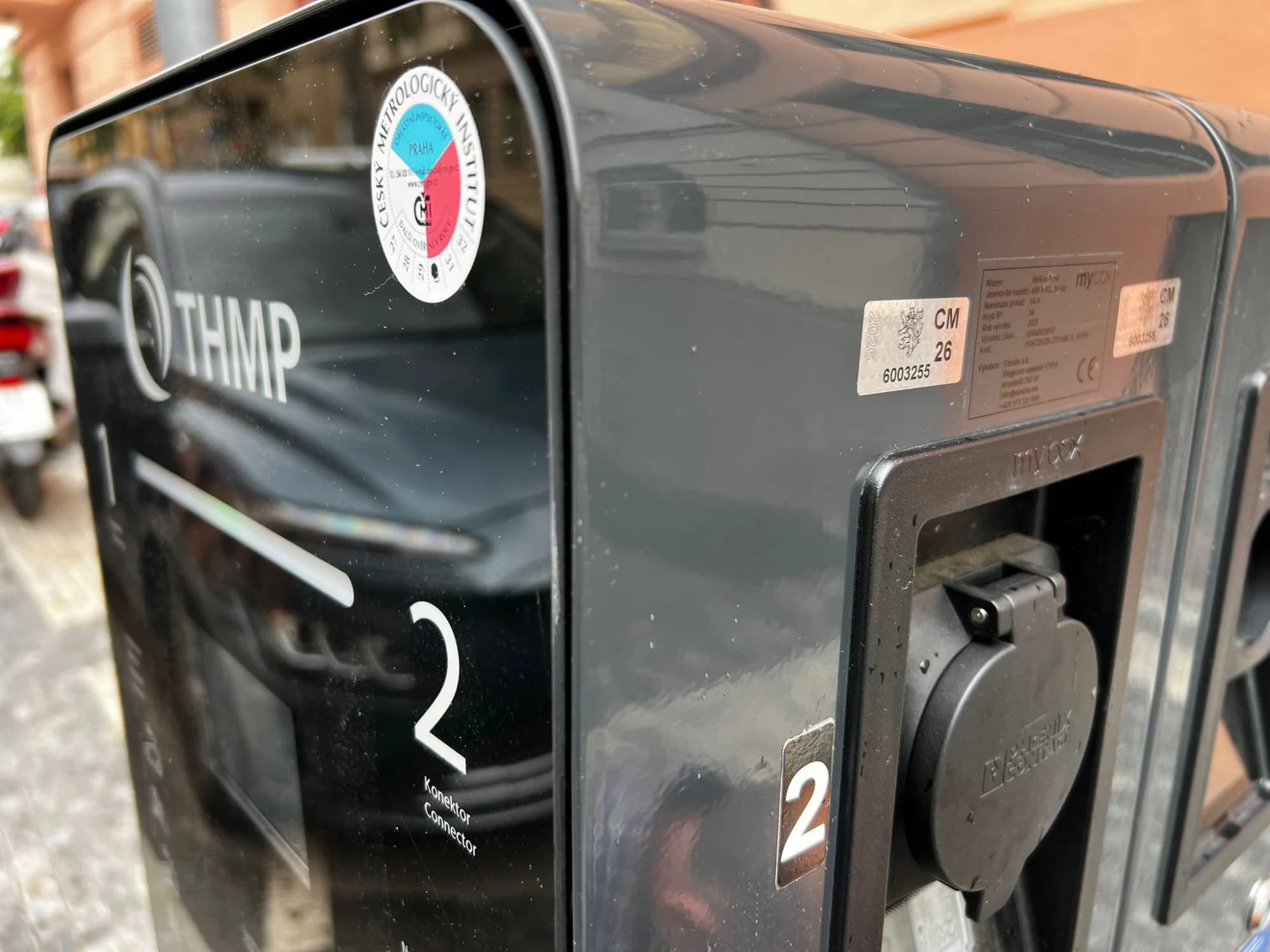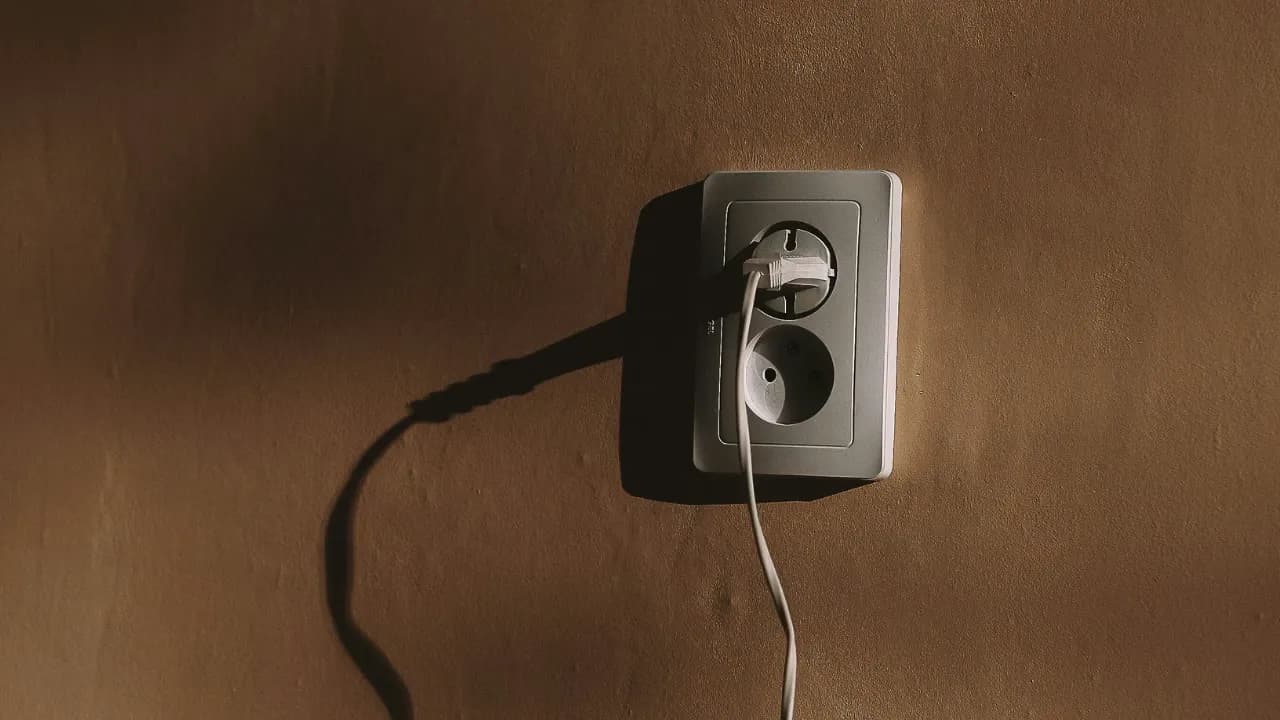
Can I use a regular outlet to charge an electric car at home?
Yes, you can charge an electric vehicle at home using a standard 230 V outlet. Usually, this works without any issues if you charge slowly, do not overload the circuits, and consider it more as an emergency or temporary solution. However, for regular charging, a wallbox is often better, mainly due to safety, stability, and convenience.
Charging method | Approx. power | 100 km of range | 10–80% (60 kWh) | Suitable for |
|---|---|---|---|---|
Standard 230 V outlet | low (a few kW) | 5–10 hours | 20–35 hours | short distances, parked overnight |
7.4 kW wallbox (AC) | 7.4 kW | 1.5–3 hours | 6–8 hours | everyday home charging |
11 kW wallbox (AC) | 11 kW | 1–2 hours | 4–6 hours | faster home / business |
3-phase 400 V socket + portable charger | close to a wallbox | depends on fuse rating and car | depends on fuse rating and car | an interim step without installation |
Real-world times depend on the vehicle's onboard charger, the fuse rating, and the condition of the installation. For frequent use, a fixed wallbox with power management (DLM) is safer.
Quick answer (for those in a hurry)
Charging from a regular outlet at home:
✅ Yes, it works
✅ Suitable for short distances and long parking (typically overnight)
⚠️ It is slow
⚠️ You must watch the quality of the outlet, cable, and wiring
✅ For frequent charging, a wallbox is safer
Today there are also “interim options” — for example, portable chargers for a three-phase socket (400 V) or smart charging cables that can measure consumption, regulate current, or monitor temperature. Functionally, they are thus partly similar to a wallbox.
A simple example from everyday life
Imagine charging your phone.
A regular outlet + a “slower charger” = the phone charges, but it takes longer, and you don't want the charger to heat up or run at its limit every day.
A wallbox is like a quality original phone charger: it charges steadily, safely, and worry-free.
With an electric car it is similar, just on a larger scale. An outlet may be enough, but if you use it regularly and for a long time, it is better to have a solution built for it.
What “charging from a regular outlet” (230 V) means
Charging from a regular outlet means you use:
a standard 230 V home outlet, and
a charging cable (often called a “plug-in charger”; technically it is a portable charging set)
Besides the classic 230 V charger, there are also:
portable chargers for a three-phase socket (400 V / CEE)
smart portable EVSE that can measure consumption, monitor temperature, and set the current
Thanks to this, it is now possible to get higher power even without a wallbox, but it depends on the condition of your electrical installation.
How long does charging take
1) Regular 230 V outlet
100 km of range: 5–10 hours
10–80% (60 kWh battery): 20–35 hours
2) Home wallbox (AC)
100 km of range: 7.4 kW: 1.5–3 hours 11 kW: 1–2 hours
10–80% (60 kWh): 7.4 kW: 6–8 hours 11 kW: 4–6 hours
7.4 kW: 1.5–3 hours
11 kW: 1–2 hours
7.4 kW: 6–8 hours
11 kW: 4–6 hours
Note: the power is limited by the car's onboard charger.
3) Three-phase socket + portable charger (400 V)
in terms of power, you can reach almost the level of a wallbox
but: it depends on the fuse rating, the socket type, and the car's capabilities
the convenience of a permanently installed solution is missing
over the long term, the home installation is loaded again — the socket must be of good quality
4) Smart charging cables
These cables can now:
measure consumption
set the current
monitor temperature
sometimes even schedule charging
Functionally, they can thus partly replace a wallbox, but they lack its long-term robustness and convenience.
Is charging an electric car from an outlet safe?
It can be, but only if your electrical installation is in good condition.
Risks:
old or loose outlets
extension cords and adapters
circuits shared with other high-power appliances
Even though portable EVSE offer various protections, it still holds that the biggest risk lies in an old outlet and its contacts. The cable's intelligence will not fix bad contacts.
How to charge from an outlet as safely as possible
charge overnight, at low power
if possible, reduce the charging current
use a single good-quality outlet
avoid extension cords
after the first few charges, check the temperature of the plug
if in doubt, have the installation checked by an electrician
If you plan to use a three-phase portable charger or a smart cable, you should have:
a dedicated circuit
correct fuse protection
a good-quality outlet
ideally an inspection
In terms of power, you are already in wallbox territory, so the safety must match.
Summary
Yes, charging from a regular outlet makes sense, mainly as slow overnight charging, for smaller distances, or as a temporary solution.
Between a classic outlet and a wallbox, however, there is also a middle path in the form of three-phase portable chargers and smart cables. In terms of power, they can come close to a wallbox, but at the same time they require a quality electrical installation and greater attention. Even so, a wallbox usually leads in convenience, safety, and long-term reliability.