At every turn, you hear that electromobility is the future. But perhaps your company is among those that haven't rushed into the transformation yet. The necessary investments in new vehicles, technologies, and infrastructure often seem like a significant entry barrier.
However, fleet managers' experiences suggest that fleet electrification opens the door for companies to long-term savings, greater efficiency, and a stronger ESG strategy. Read on to find out why you should be thinking about transforming your corporate fleet too.
Investing in electromobility makes sense even without subsidies
At first glance, switching to electromobility may look like an expensive and complicated change. In 2024, however, the situation in Czechia was significantly eased by a subsidy programme, thanks to which electromobility became more accessible for companies.
The National Development Bank programme provided nearly CZK 2 billion to support the purchase of electric vehicles and helped companies optimise costs associated with the transition. Nevertheless, we believe that electromobility makes long-term sense even without subsidies. Lower operating costs, reduced maintenance requirements, and higher efficiency deliver measurable savings. This also translates into a return on investment over the medium and long term.
You will notice operational savings immediately
Electric vehicles are undoubtedly more economical in terms of operating costs. Charging is cheaper than refuelling, and maintenance is less frequent and simpler. For example, Komercni banka reports that their electric vehicles have average per-kilometre costs 25% lower than combustion-engine cars. And with higher mileage, the difference really adds up.
How employees perceive electromobility
For some employees, switching to electromobility can be a step into the unknown. Open communication and leading by example from management can quickly dispel concerns. When managers themselves drive electric vehicles, they naturally demonstrate their advantages.
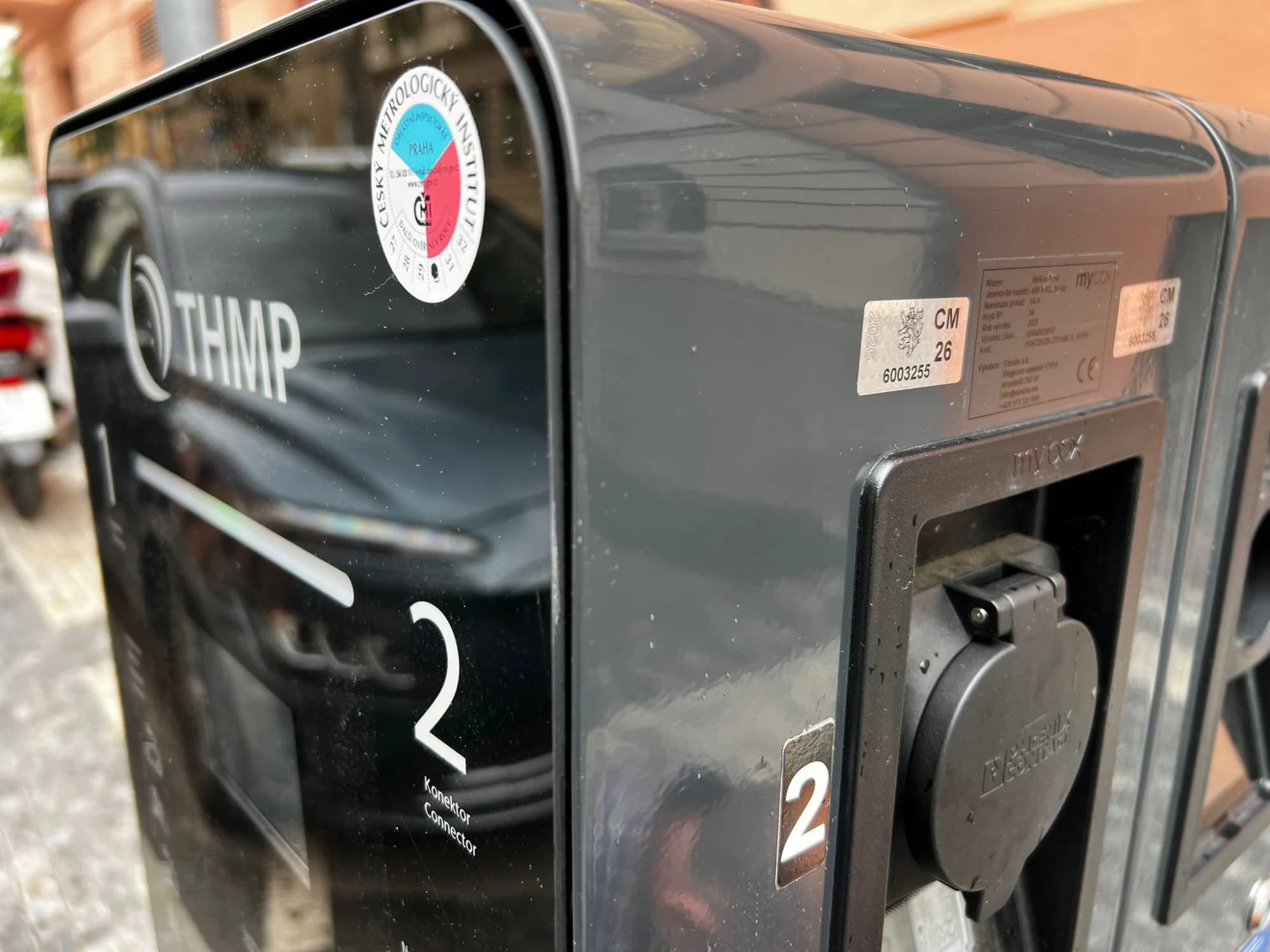
Another strong benefit comes from corporate charging stations. Thanks to them, employees can conveniently charge both company and private vehicles right at the office. Digitalisation then enhances this comfort even further.
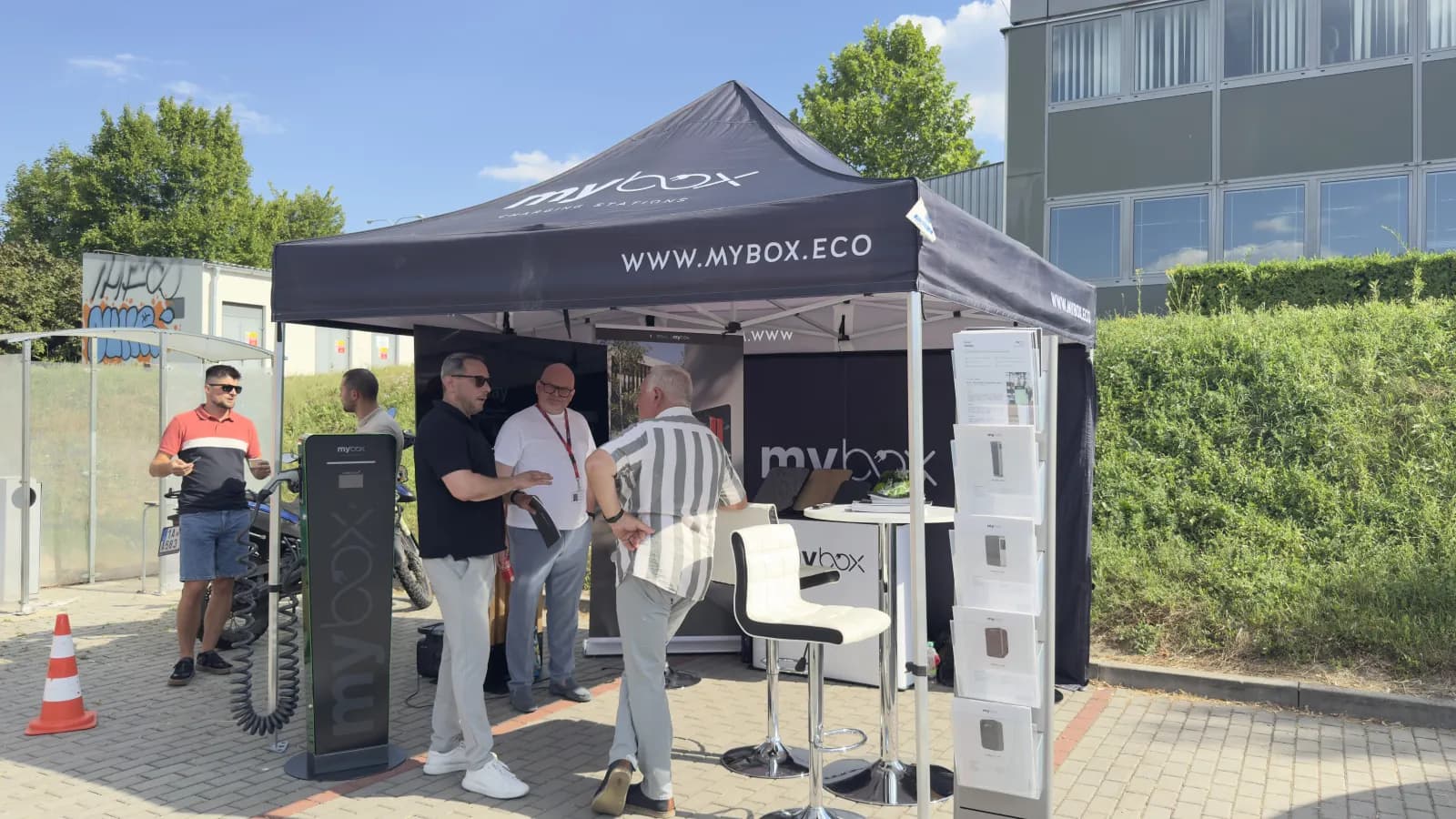
For instance, the MyBox app and cloud solution allows remote control of charging stations, energy consumption monitoring, and setting various charging modes. Employees and managers have an overview of charging progress and history anytime, anywhere. Digital tools bring added value to companies through simpler fleet management and more accurate billing.
A gradual transition is the sensible approach
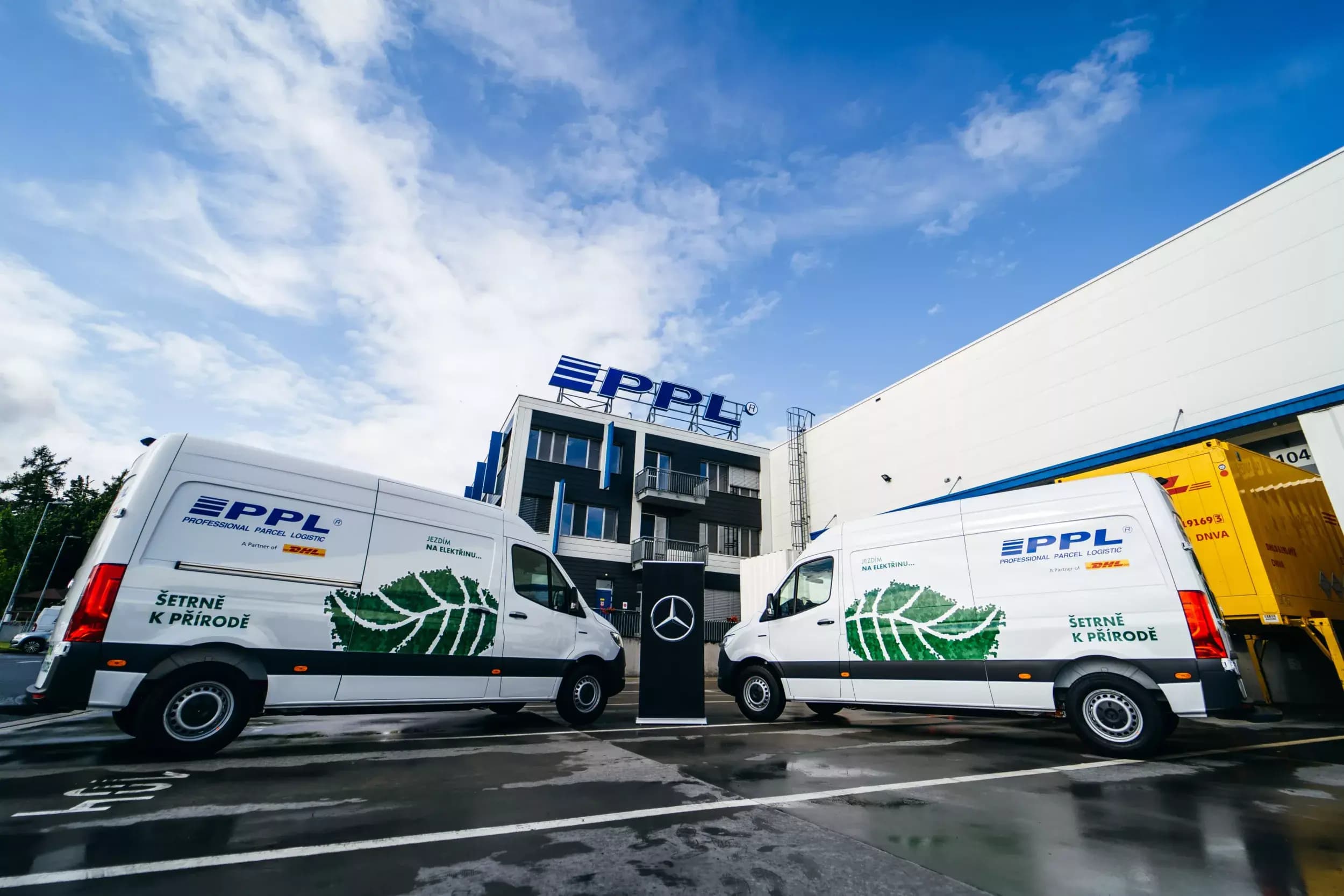
There is no need to switch your corporate fleet to fully electric overnight. Gradual electrification, where electric vehicles complement hybrids and combustion cars, is the safest and most common path. It minimises risks, does not require astronomical investments, and gives companies time to gain experience with the new technology. This way, you can tailor the fleet to your company's needs – use electric vehicles for shorter daily routes and hybrids or combustion cars for longer trips or more demanding operations.
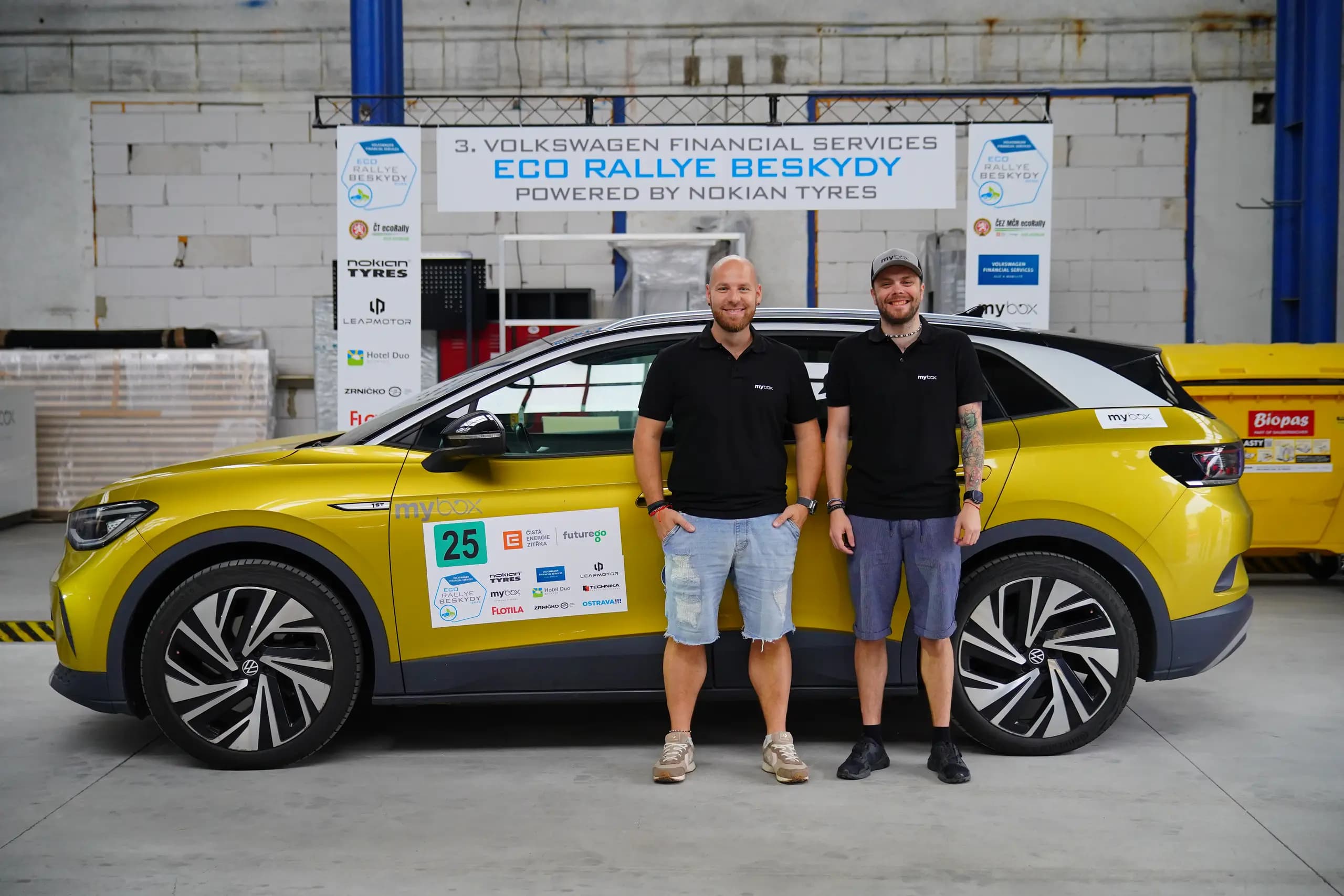
CEZ, which is a partner of EcoRally alongside MyBox, follows the same strategy. Out of its fleet of 5,000 vehicles, over 150 are now electric. These include Skoda Enyaq, Cupra Born, and Volkswagen ID.3 models. By 2030, it plans to electrify the majority of its fleet and gradually add hundreds of new electric vehicles.
Challenges in building charging infrastructure
As the electric fleet grows, so do the demands on charging infrastructure. Thanks to the modular solution of MyBox charging stations, companies can expand their infrastructure gradually, without the need for expensive and complex technical modifications. Most companies start with smaller capacities and add more stations as needed.
For efficient energy management, it is essential to adjust charging power according to the current grid load. In this respect, the MyBox Arm Unit module excels by monitoring overall consumption and relaying data to station control units. Our system can manage up to 200 charging points simultaneously, making it ideal even for large premises and extensive fleets.
Companies can encourage home charging
Equally important is supporting employees to charge at home. Home stations (e.g. MyBox Home) make it easier for employees to transition to electromobility while helping companies distribute the charging load outside working hours. The result is smoother operation of the corporate infrastructure and greater employee satisfaction.
Are you considering gradual electrification of your fleet and want to move from costs to opportunities? Contact us – together with our team of specialists, we will design a solution that best suits your company right now.