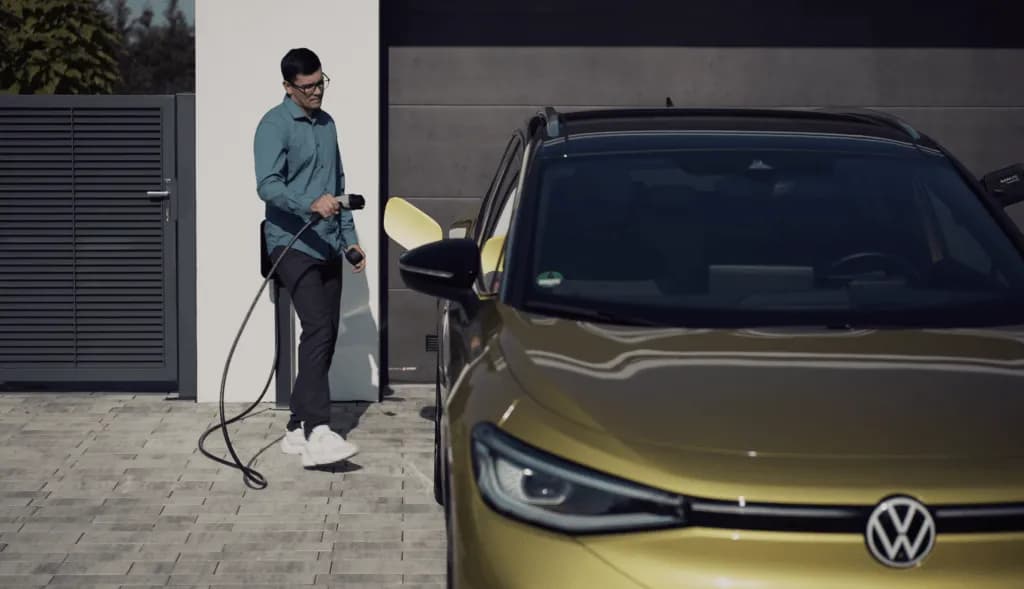
Electric vehicle safety is a frequently asked question. Read how electric vehicles can often be safer than their combustion engine competitors.
Safety of electric vehicles compared to combustion engine cars
Electric vehicles are subject to the same safety tests and homologations as vehicles with combustion engines. These tests include, for example, crash tests, stability tests, brake efficiency tests or pedestrian protection tests. However, electric vehicles have one crucial advantage -- in the event of an accident, the high-voltage components are automatically switched off, reducing the risk of fire and electric shock. In contrast, conventional vehicles retain a full fuel tank, which can pose a higher risk in an accident.
Tesla as a safety leader
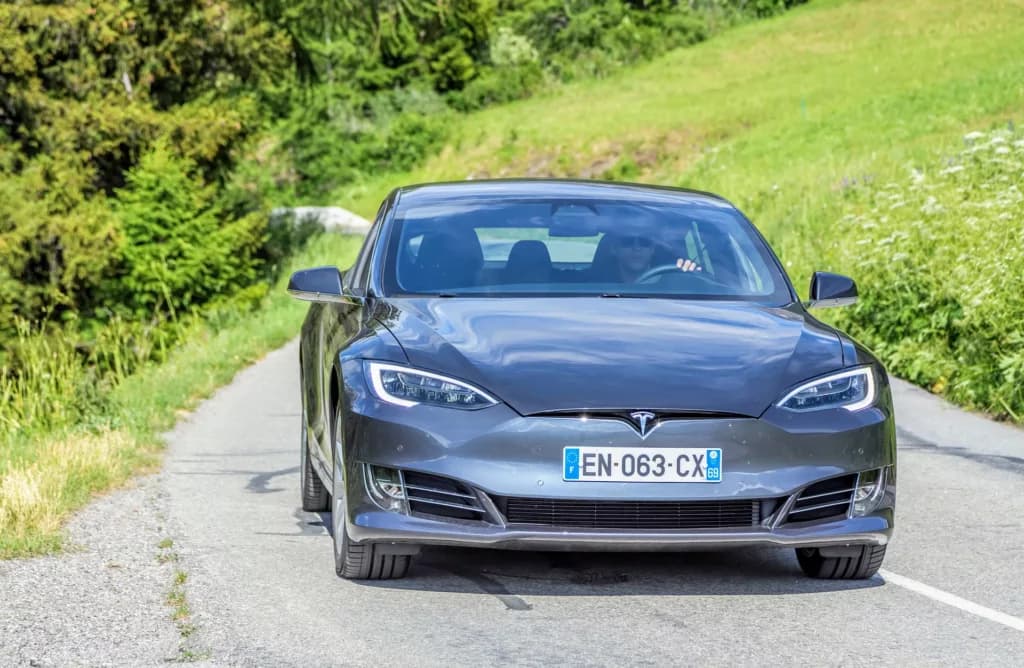
Tesla has become a pioneer in electric vehicle safety. The Model 3, for example, achieved the highest rating in all categories in tests by the NHTSA (National Highway Traffic Safety Administration), making it one of the safest cars on the market. This success is the result of robust design and advanced safety technologies such as the Autopilot system, which helps prevent accidents. In addition, the batteries in Tesla vehicles are designed to minimise the risk of fire.
Technologically advanced systems, such as Tesla's Autopilot, add a layer of active safety that traditional vehicles often do not offer to the same extent. Although many combustion engine cars offer advanced safety systems such as assistants or automatic braking, Tesla is often at the top thanks to its technological sophistication.
Tesla thus not only meets but often exceeds safety standards. Thanks to its strong design and advanced technologies, it is a safer choice compared to many combustion engine vehicles.