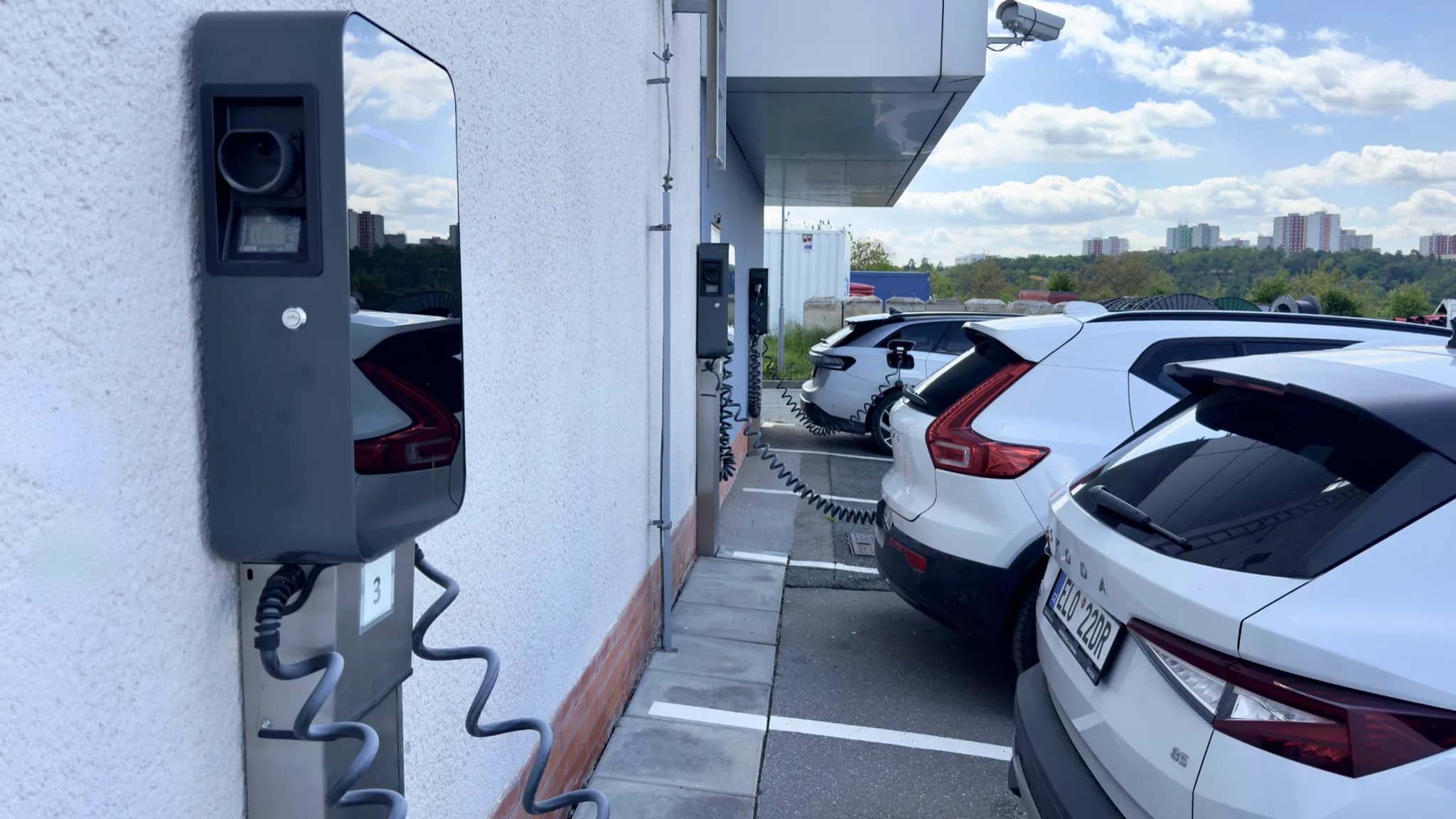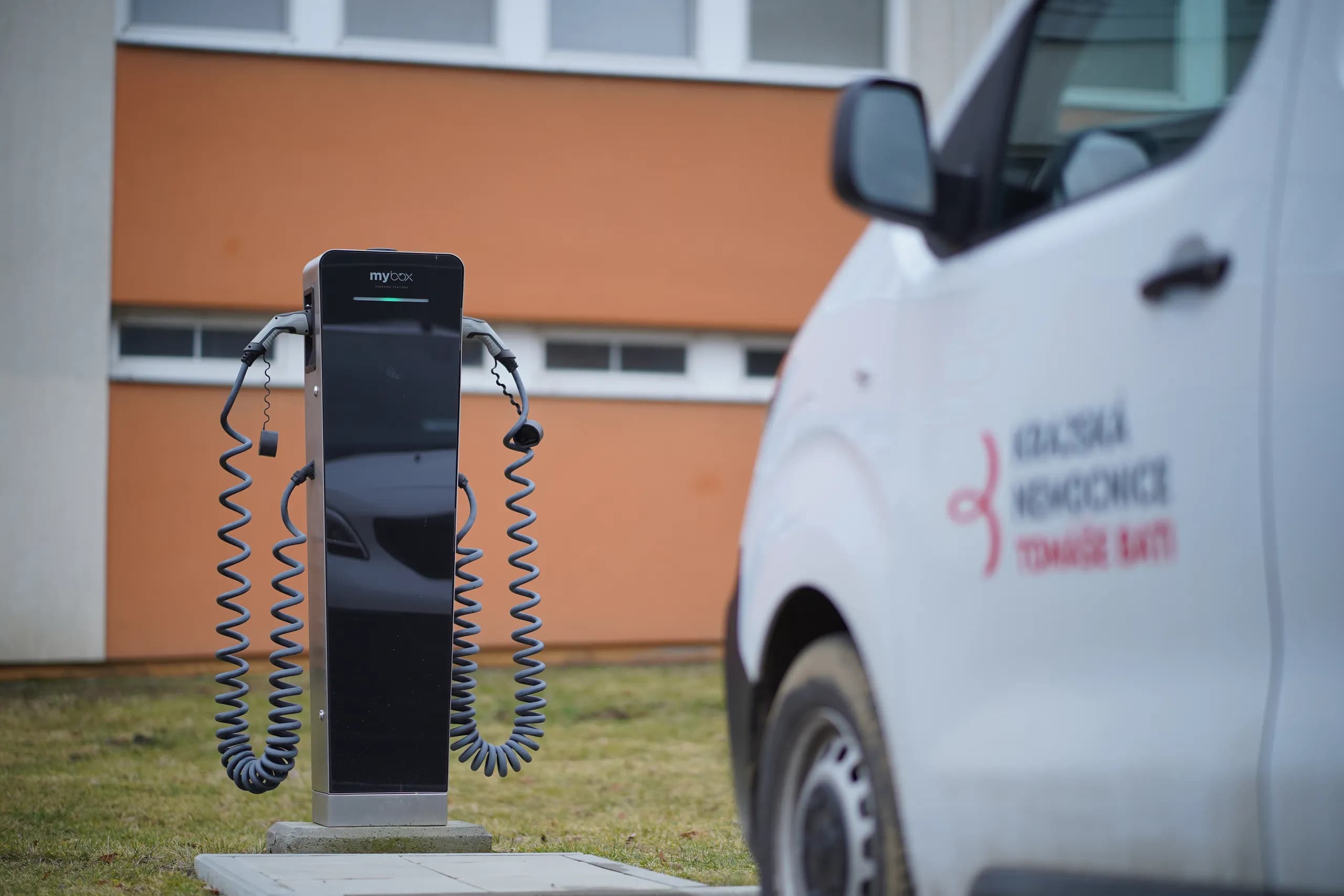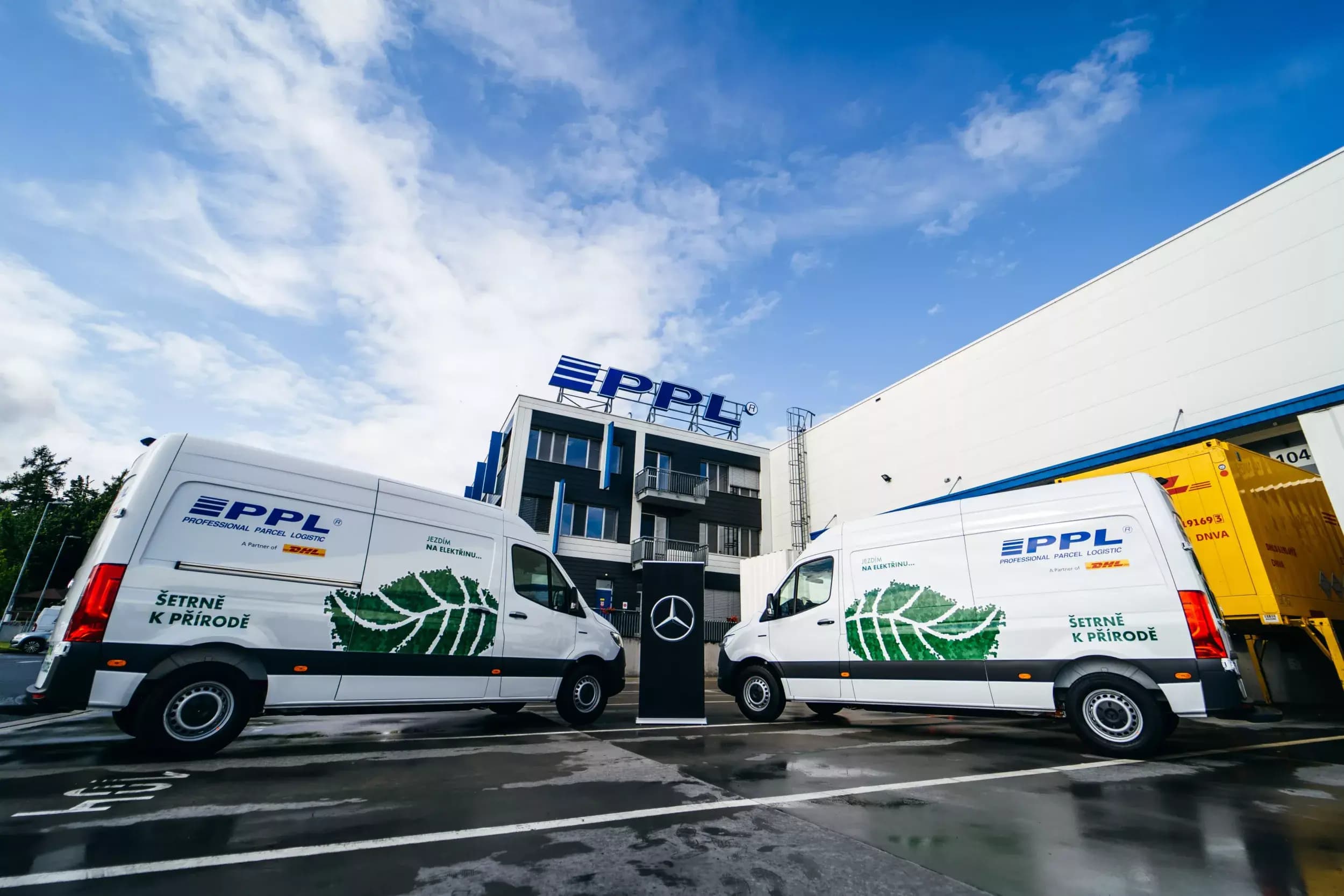
Electrification of vehicle fleets in delivery services is a common practice abroad, especially for last-mile delivery vans. It is also becoming an integral part of the strategies of companies that want to reduce their carbon footprint and respond to changing market conditions. This is confirmed by the company PPL, for which MyBox implemented a comprehensive project for the construction and management of charging infrastructure.
Client Profile
PPL is a significant provider of parcel logistics. It is part of the global DHL Group, which acquired it in the past with the aim of strengthening last-mile delivery capacity in the regions. While PPL covers national infrastructure, DHL operates on a global level, ensuring strategy and setting technological standards.
Electrification of the fleet is among the main commitments of DHL in the area of sustainability. By 2030, the group aims to electrify 70% of its delivery fleet. As part of this, PPL has also committed to building the appropriate infrastructure for electric cars and electric vans operated in the Czech Republic.
Initial Situation and Motivation
The transition to electromobility was seen by PPL from the very beginning as an essential step. They never considered operating without their own charging infrastructure. Given the size of the vehicle fleet, such an approach would not have been feasible.
The need to charge dozens of vehicles simultaneously, reliably, and within precisely defined time windows clearly led to the decision to invest in a proprietary network of stations. These are needs that are crucial for companies in the parcel logistics sector.
The company aimed to meet the ESG commitments of the DHL group, but particularly wanted to create a functional charging model for high-demand operations. Therefore, scalability was important in the design concept, considering easy future expansion.
Project Scope and Requirements
The project involved the installation of charging infrastructure at 22 logistics depots across the Czech Republic. In 10 of these, a Dynamic Load Management (DLM) system was also deployed. The total number of charging points installed was 325.
The project's goal and part of the brief was:
create a stable and efficient charging system for dozens of electric vehicles,
adapt solutions to various technical conditions across locations,
enable future increases in both power and number of stations,
ensure reliable service and support at every stage of the project.
Preparation and Project Phase
The collaboration began with a detailed feasibility study and the design of project documentation. The client particularly appreciated the professional approach and rapid communication of the MyBox team. Thanks to our experience with similar projects, we were able to come up with an efficient design that considers the diverse needs of individual depots.
Not only was the infrastructure itself prepared, but also the process planning of installations was arranged to coincide with the deployment of vehicles. Proper timing was crucial to ensure that the implementation of chargers and the deployment of electric vans proceeded in a coordinated manner.
Construction and Technical Solution
The implementation itself was carried out in a way that minimized the impact on the operation of each depot. In some cases, it included comprehensive engineering, including the installation of new connections from the transformer station, earthworks, cable laying, or structural modifications.
In depots where higher operation of electric vehicles (20 or more) was planned, the deployment of a Dynamic Load Management (DLM) system was essential. It intelligently controls the available power input, adjusts the charging power to the actual network load, and eliminates the risk of overload.
Dynamic Load Management (DLM)
DLM has proven to be a crucial element in operation. With a larger number of stations, relying on static settings is not feasible. DLM continuously evaluates the current consumption and dynamically adjusts the power distribution among individual charging points.
With a larger number of chargers and electric vans, DLM is crucial for us. Without it, we would not have an overview of the network capacity, and there would be a risk of its overload.
Thanks to DLM, it was possible to maintain stable operation without unnecessary investments in power capacity enhancement.
The Importance of Coordination and Timing
As we mentioned, a specific feature of the project was the fact that PPL does not directly purchase electric vans, but motivates its carriers to use them. This emphasizes the need for perfectly synchronized timing between installations and operations.
The implementation of chargers and deployment of electric vans must be coordinated. It is not feasible to have a significant surplus of either.
This experience only underscores the importance of selecting a partner who can handle the project not only technically, but also logistically and procedurally.
Service and Remote Monitoring
Given the number of stations, the ability for remote service access was absolutely crucial for PPL. This allows for flexible interventions without the need for physical presence, significantly reducing response time. PPL adds that without remote access, the operation of the chargers would not be possible at all.
MyBox also provides SLA service support, which is rated by clients as very high quality and reliable.
Benefits and Future of Electrification
From PPL's perspective, the project is a fundamental pillar for fulfilling the ESG strategy of DHL Group. It enabled the deployment of a fleet of electric utility vehicles, both in urban and intercity operations.
The company naturally expects operational cost savings. However, it considers the greatest benefit to be the strategic shift of the entire company towards sustainable transportation.
PPL plans to continue at the same pace as before. Both infrastructure and vehicles will gradually increase, and electrification will become a regular part of daily logistics.
Journey to Sustainable Transportation
The charging infrastructure project for PPL demonstrates how an electromobility strategy can be transformed into a functional solution for daily operations. Thanks to the experience of the entire MyBox team, another extensive project was successfully implemented. One that placed particularly high demands on technical quality, scalability, performance management, and logistical coordination.
Are you also looking for a partner for a similar project?Contact us. We will design a solution that will grow with your needs and turn electromobility into an advantage in your operations.