In the long term, electric vehicles benefit from "slow" charging. And our homes are the ideal place where we can reliably charge vehicles for several hours. Purchasing a charging station is therefore a logical step. Not only for current users of electric or hybrid vehicles, but also for those who are preparing for the future of electromobility.
Charging Power
Purchasing a home charging station is a long-term investment. Therefore, it is important to choose a type that will meet not only current, but also future requirements. And let us start right with the maximum AC charging power, which is related to the power of the onboard chargers in electric vehicles.
A large number of electric vehicles on the market have an onboard charger power of up to 11 kW. However, the number of vehicle models supporting AC charging up to 22 kW is gradually increasing. And this could become a common standard in the future. Therefore, we recommend considering station models with a power of 22 kW when choosing a home charging station, even if you may not use their full potential with your current vehicle at this time. If you were to purchase a wallbox with lower power (11 kW, 7.4 kW or less), the insufficient power would limit you later.
We design MyBox charging stations with an emphasis on sustainability and long-term functionality. That is why you will only find models with a power of 22 kW in our portfolio.
A Sufficiently Long Charging Cable
Charging stations can have either a fixed cable (straight/coiled), or a socket. Many people choose the variant with a permanently connected cable for their home, because they would have the separate cable plugged into the socket all the time anyway. Such a solution is practical and makes handling easier.
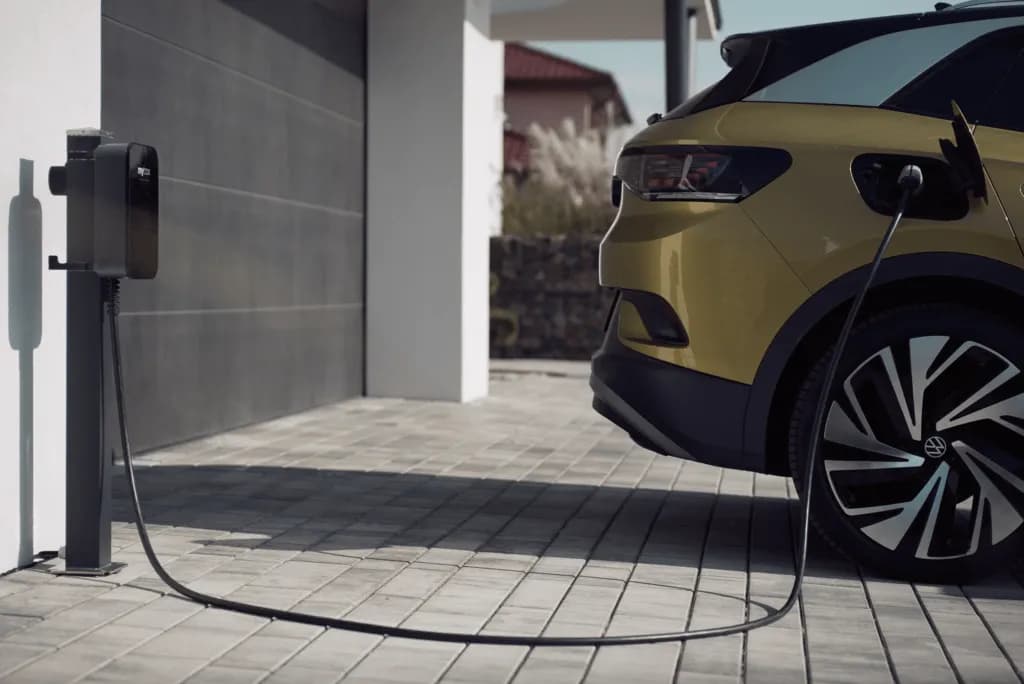
However, it is important to choose the appropriate cable length so that you can comfortably reach the vehicle's charging port. Again, think ahead – vehicle manufacturers place charging ports in various locations:
Renault Zoe has its port in the centre of the front grille,
Tesla Y in the rear part of the left rear light,
BMW i3, i4 or i7 on the right near the rear wheel,
Audi equips its e-tron vehicles with two ports – on the right and on the left.
In most cases, a 5-metre cable is optimal, which allows you to easily reach any part of the vehicle.
A socket is more versatile. If needed, you can alternate cables, or replace them if damaged without requiring a service intervention. You can also pack the charging cable into the boot and use it on the road, so you can get by with a single cable for all situations. However, frequent unplugging, packing and re-plugging costs you time and convenience.
Type of Construction – Wallbox vs. Pedestal Station
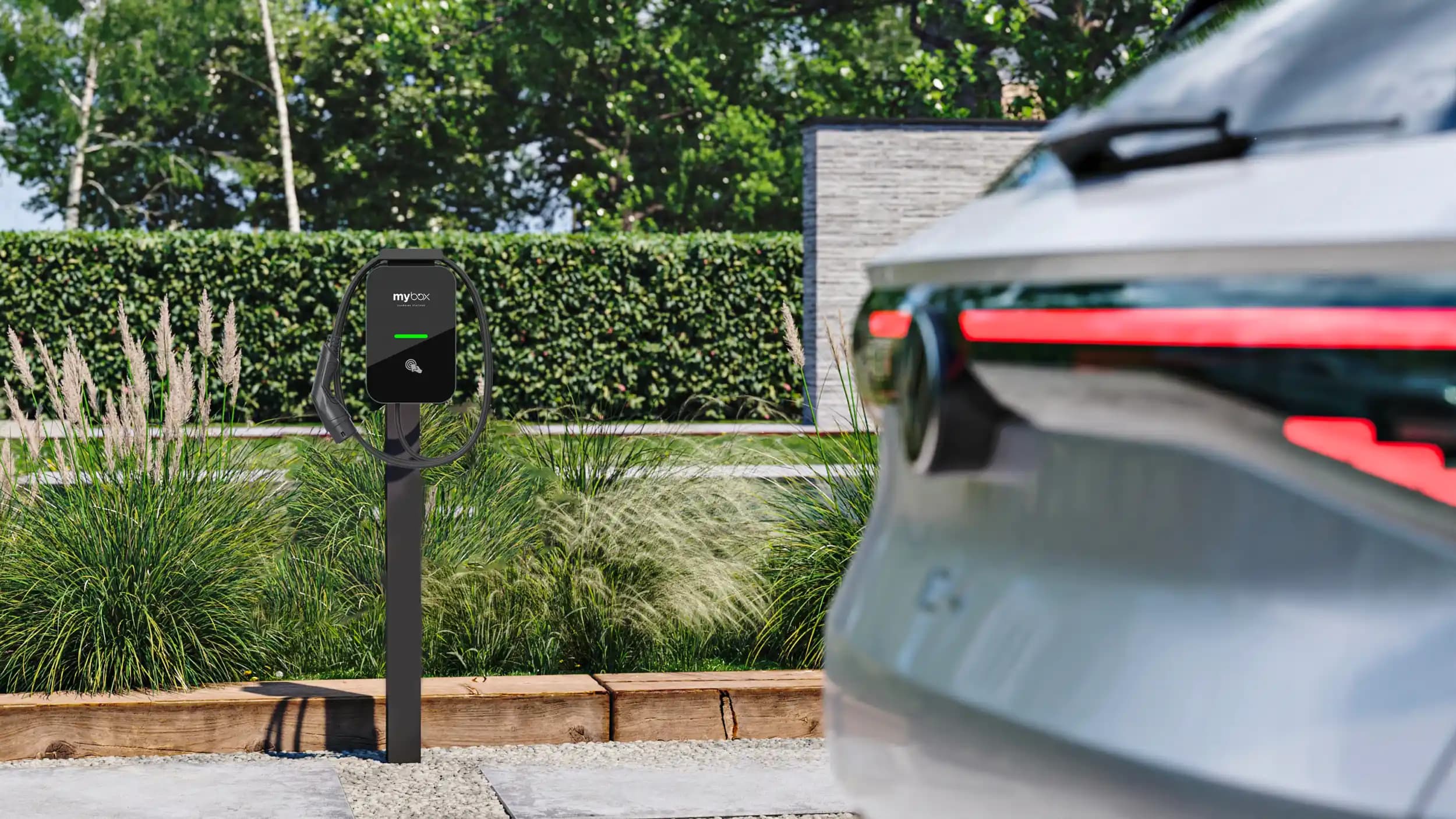
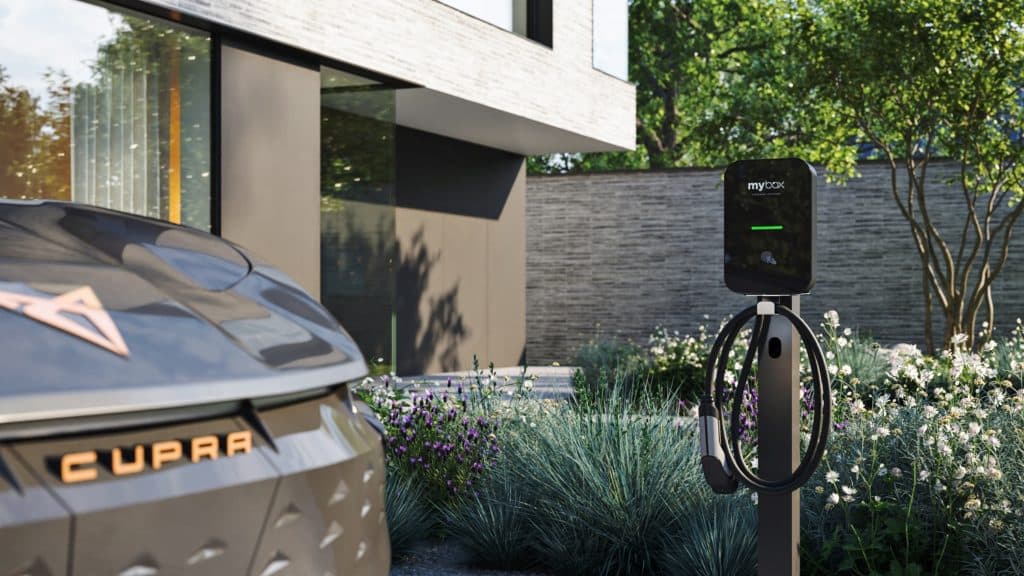
Both wallboxes (e.g. MyBox Home) and pedestal charging stations (e.g. MyBox Park) are suitable for home use. Wallboxes excel in their versatility, as they allow both wall or fence mounting and standalone pedestal installation. They are suitable for both indoor and outdoor spaces, including in front of a garage or an outdoor parking space.
From an architectural perspective, however, a pedestal station may better suit the style of the house, as it has a more robust appearance. In addition to the charging port, it can also be equipped with a 230V socket or a port for charging electric bicycles. When choosing, focus on the preferred style of the station as well as the required features. In terms of durability or water resistance, both types of construction are equal.
Mechanical Durability and Component Quality
Rain, frost, strong wind, high frequency of use and vandalism. These are all demanding conditions that a charging station must cope with. To be reliable and serve for many years, it must contain quality components and must adequately protect them.
We consider both aspects, which is why at MyBox charging stations we use only components from reputable European manufacturers. We place them in a durable chassis made of solid plastic or steel. The front panel also stands out for its durability, as we manufacture it from tempered glass. Thanks to this, all stations meet strict durability requirements and are rated in the high classes of IP54 (against dust and splashing water) and IK 10 (highest protection against impacts).
User Identification Options
Most households can do without a station with an identification system (e.g. RFID chips). However, if you need to place the station in a freely accessible location, or you will share it with other families, consider an authorisation system. On request, we can equip even small home stations with a reader, including MyBox Home.
Dynamic Load Management
Charging stations have significant power. If they run at full capacity simultaneously with other powerful appliances, the rated current of the circuit breakers may be exceeded. Therefore, we recommend choosing charging stations with dynamic load management support. These reduce the charging power as needed, taking into account the consumption of other appliances, so that the circuit breakers do not trip.
Remote Control and Consumption Monitoring
Modern wallboxes and pedestal charging stations are connected to the cloud and allow remote management from anywhere. MyBox stations also have a mobile application available, which allows you to monitor the charging status and remotely turn them on and off. Purchasing a station with remote control capabilities can thus be your gateway to the world of smart homes. You can also easily integrate it into an existing Smart Home system.
Installing a home charging station makes sense whether you already own an electric vehicle or are just planning to purchase one. To ensure it serves you as long as possible, do not choose it based on current needs, but on those that are yet to come. And if you need help with your selection or have any questions, contact us. We will be happy to guide you into the world of electromobility.